Blog
Interior vs Exterior Paint: What Is the Difference?
Why exterior paint is a different product from interior paint, what each is formulated to handle, and why the two should never be swapped.
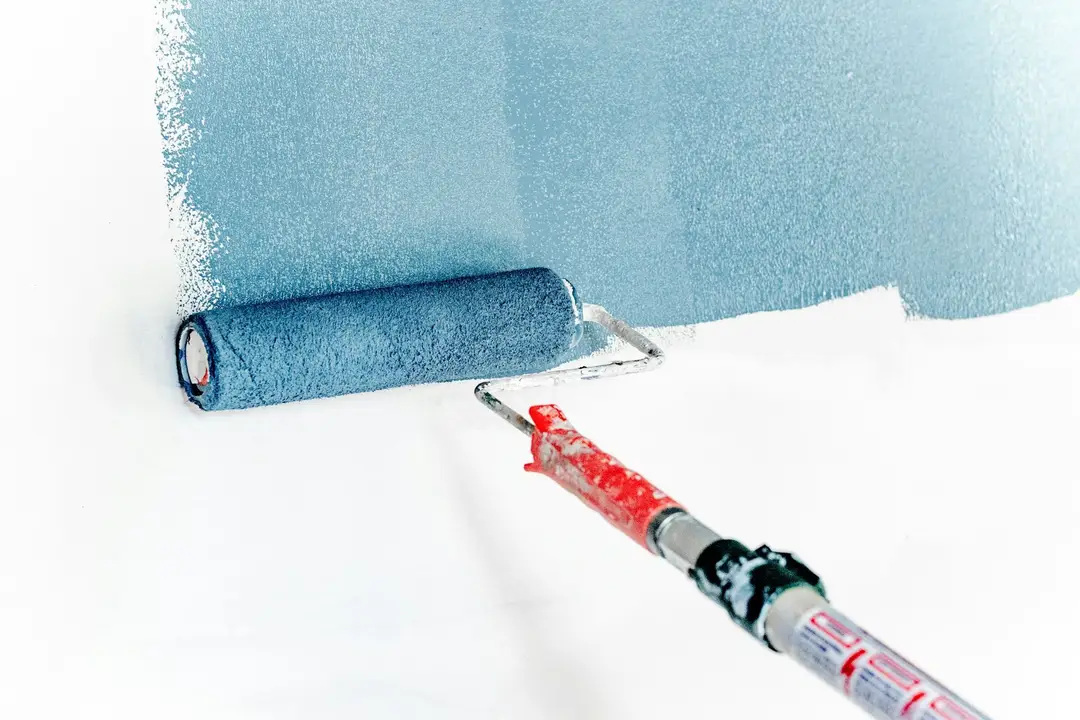
Interior and exterior paints can look the same in the tin, but they are built for very different jobs. Using one in place of the other is one of the most common causes of paint failing early.
What exterior paint has to handle
Outside walls deal with direct sun, UV, heat, rain, temperature swings and, in some suburbs, salt air. Exterior paint is formulated to:
- stay flexible as surfaces expand and contract with heat,
- resist UV fading and chalking,
- shed water and resist mould and mildew,
- hold colour over years of weather.
What interior paint has to handle
Inside, the challenges are different: hands, furniture, cleaning, steam and close inspection. Interior paint is formulated to:
- be washable and resist scuffs,
- go on with a smooth, even finish that looks good up close,
- keep odour and VOCs low, because people are living in the space.
Why you should not swap them
Exterior paint used indoors can give off more odour and is not designed for close-up finish or regular wiping. Interior paint used outdoors will usually fade, crack or peel quickly because it lacks the flexibility and UV resistance the weather demands.
Primers and undercoats matter too
Bare timber, new plaster, render and previously glossy surfaces each need the right primer or sealer before the topcoats. Skipping it is a common reason paint lifts later on.
How we choose
We pick the product to suit each surface, inside and out, and list it in the written quote. If you are planning work on both, we can quote interior and exterior painting together. Get a free quote.