Blog
Painting a New Build vs Repainting an Older Home
New builds and established homes need different painting approaches. What changes between the two, from surface prep to product choice.
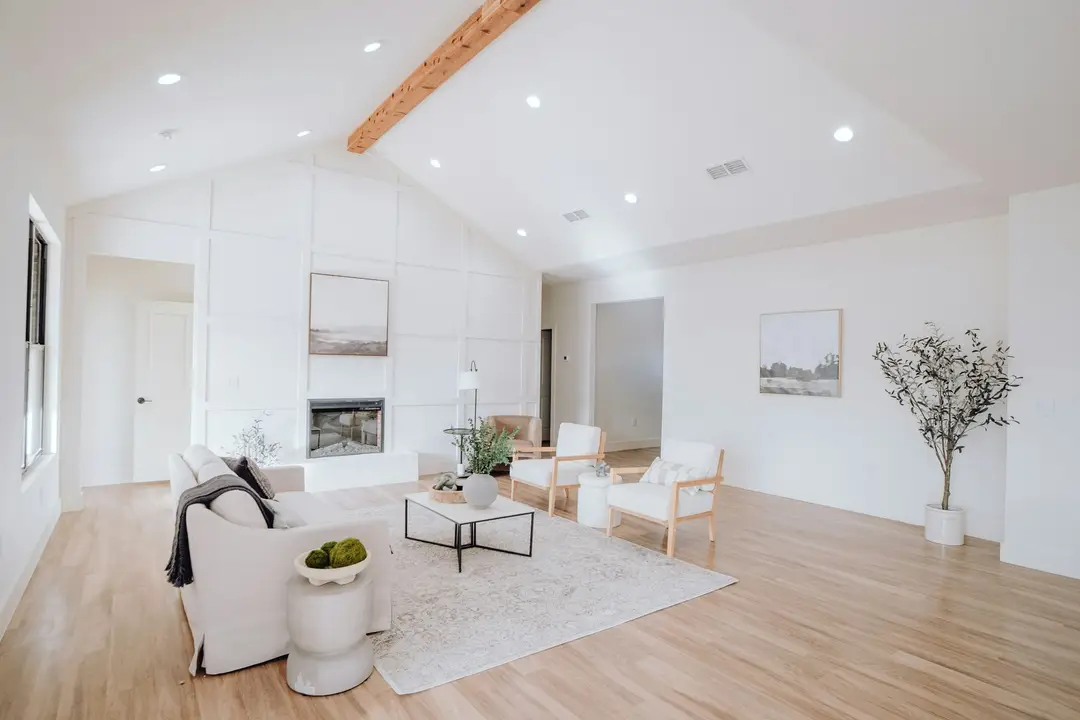
Painting a brand-new house and repainting a lived-in one use the same skills, but the job looks very different on the day.
New builds: getting the first coats right
New plaster, render and timber have never been painted, so the first coats set the standard for years.
- Sealing and priming new plaster and render properly so the topcoats sit evenly.
- Picking up builder's marks: small dents, sanding marks and joins are filled and sanded before painting.
- Spraying is often the right choice for empty new builds: it gives an even finish over large areas and is efficient on ceilings, walls and doors.
- Coordination with other trades and handover dates, so painting fits the build schedule.
We also do a final walkthrough with the builder or owner before handover.
Older homes: prep is the job
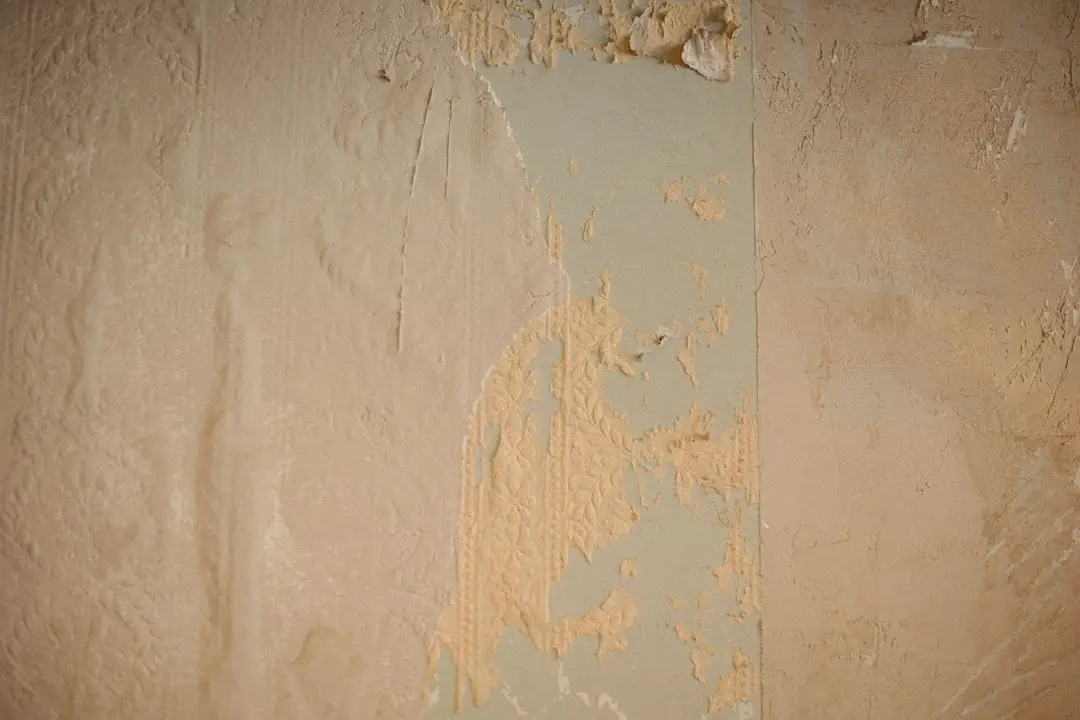
Established homes have history on the walls.
- Washing surfaces to remove grime and grease.
- Repairing cracks, holes and old patches, and sanding back flaking paint.
- Checking what is underneath. Older homes may have oil-based or lead-based paint under newer layers, which changes how it must be prepared, so it is checked before any sanding starts.
- Protecting furniture and floors, because people are usually living in the house.
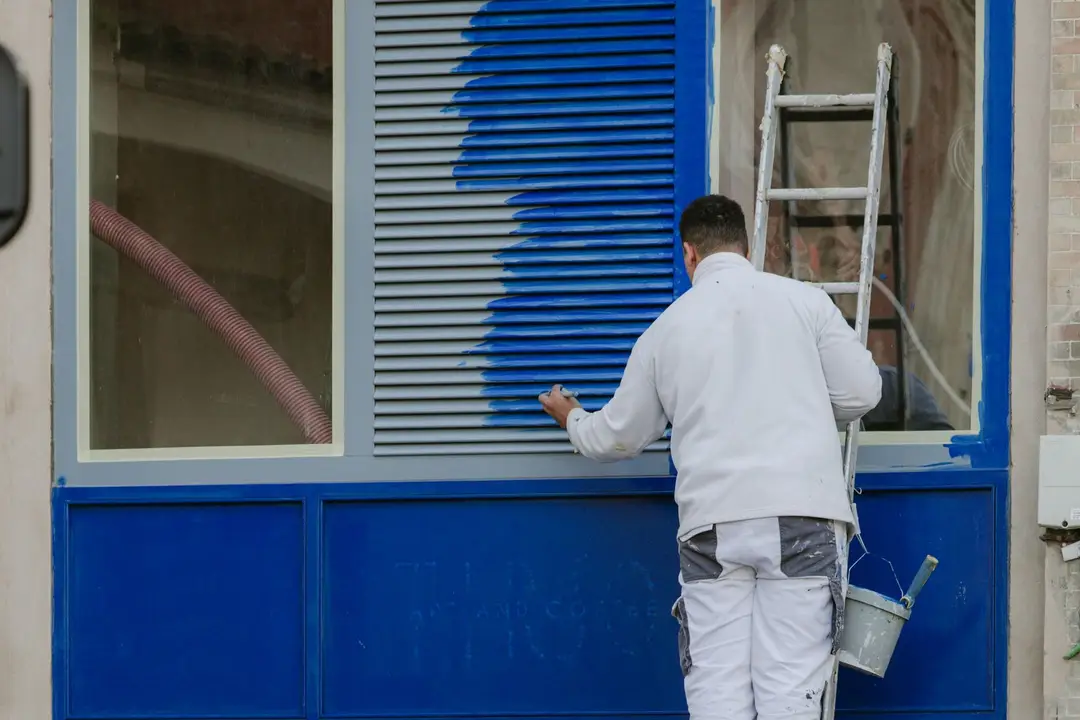
- Brushing and rolling is more common in occupied homes, where spray overspray is harder to control.
Product choice
New surfaces need sealers and primers matched to the material. Previously painted surfaces need a product compatible with what is already there, especially when moving from oil-based to water-based paint.
Either way
The process is the same: protect first, prep properly, paint, then a clean handover. See our residential and spray painting services, or request a free quote.