Blog
The Prep Work That Makes Paint Last
Filling, sanding, washing and priming are most of a good paint job. Here is what proper preparation involves and why skipping it shows.
On a good paint job, the topcoats are the quick part. Most of the hours go into the work you will never see in the finished room, and that work decides how long the paint lasts.
Protect first
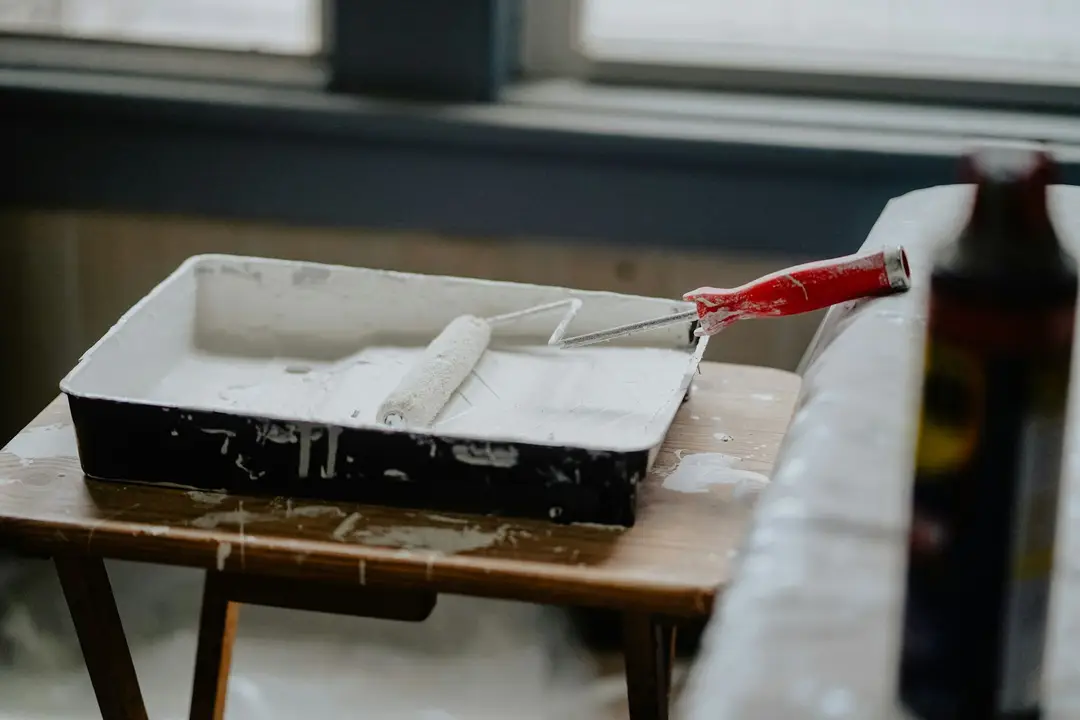
Before a tin is opened, floors, furniture and fittings are covered with drop sheets, and edges, switches and fixtures are masked. The drop sheets in our job photos are standard practice, not staging.
Clean the surface
Paint will not hold on dust, grease or chalky old paint. Walls are washed where needed, especially in kitchens and hallways, and exteriors are cleaned so the new paint grips the surface, not the dirt on it.
Fill and repair
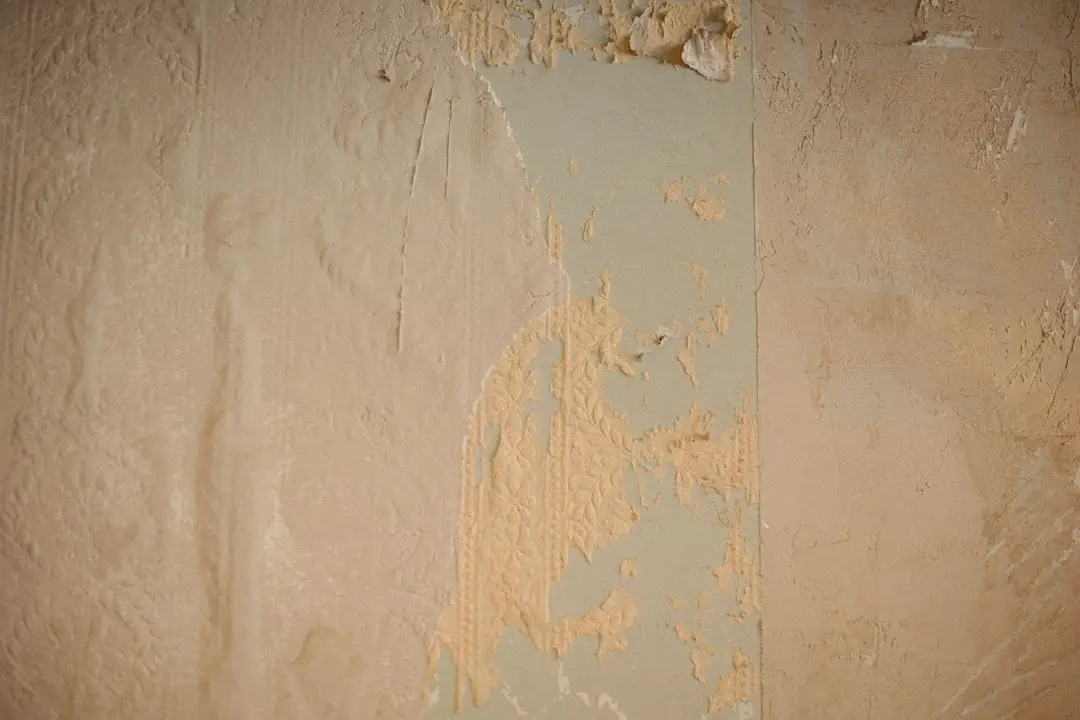
Cracks, nail holes, dents and old patches are filled and left to cure. On exteriors, gaps around frames are re-caulked so water cannot get in behind the paint.
Sand
Sanding smooths the fills, removes loose and flaking paint, and gives glossy surfaces enough key for the new coat to stick. Skipping it is why paint peels off doors and trims.
Prime and seal
Bare timber, new plaster, repairs and stains all need the right primer or sealer. It evens out absorption so the topcoats look uniform, and stops stains bleeding through.
Then paint
Two topcoats, brushed, rolled or sprayed depending on the surface, with coverage checked in natural light between coats.
What skipped prep looks like
Peeling within a year or two, fills showing through as shiny patches, cracks reappearing, brush marks on rough surfaces and stains ghosting through the new colour. All of it comes back to prep.
That is why our written quotes spell the prep out, and why the number you approve is the number on the invoice. Get a free quote, or read about how we approach repairs and maintenance.